10 Health Myths That Can Harm Seniors and What to Do Instead
Many health habits sound sensible because they are simple, familiar, and widely repeated: drinking grain powders every morning, forcing yourself to reach 10,000 steps, eating plain rice porridge to “protect” the stomach, drinking honey water for dry skin, replacing fruit with juice, consuming soup while it is still scalding hot, taking calcium supplements indefinitely, eliminating animal foods without a nutrition plan, drinking lemon or salt water to “detox,” or relying on bone broth for calcium.
The problem is that healthy-sounding does not necessarily mean evidence-based.
For older adults, extreme versions of otherwise harmless habits can create unnecessary risks. Excess sugar, inadequate protein, excessive supplementation, joint overuse, high sodium intake, and very hot food or drinks can all become relevant when these practices are followed rigidly over long periods.
The goal is not to replace one set of health rules with another. Sustainable healthy aging is based on balanced nutrition, appropriate physical activity, adequate sleep, maintaining muscle mass, managing chronic conditions, and regular medical care.
Here are ten common health misconceptions—and more practical approaches to replace them.
🌾 Grain Powders Are Not Always Healthier Than Whole Grains #
The myth #
Grinding whole grains, beans, or other foods into a powder makes them easier to consume while preserving all of their health benefits.
The reality #
Processing can change how quickly carbohydrates are digested.
Grinding breaks down much of the physical structure of a food, potentially making its starch more accessible to digestive enzymes. Cooking and further processing can amplify this effect. The resulting blood-glucose response depends on the specific food, particle size, cooking method, serving size, and what else is eaten with it.
This does not mean that every grain powder is unhealthy. It means that whole grains and ground grains are not necessarily metabolically equivalent.
A powdered grain drink can also be easier to consume in large quantities because it requires little chewing and may provide less satiety than an equivalent portion of intact food.
A better approach #
Prefer intact or minimally processed whole grains when practical.
Combine carbohydrate-rich foods with protein, vegetables, legumes, nuts, or other sources of fiber and healthy fats. If using a powdered product, check the ingredient list and added-sugar content rather than assuming that a product is healthy simply because it contains whole grains.
People with diabetes or impaired glucose regulation should follow individualized dietary advice rather than relying solely on generic claims about low-glycemic foods.
🚶 You Do Not Have to Force Yourself to Reach 10,000 Steps #
The myth #
Everyone needs exactly 10,000 steps every day to maintain good health.
The reality #
There is no universal physiological threshold at 10,000 steps.
Large observational studies have associated substantially lower daily step counts with meaningful reductions in several health risks, with benefits generally showing diminishing returns as activity increases. The optimal amount also depends on age, fitness, existing joint disease, walking speed, and other forms of physical activity.
For older adults, mechanically forcing a high step count despite persistent knee or hip pain is not necessarily beneficial.
More walking is not automatically better if additional activity produces injury, excessive fatigue, or inadequate recovery.
A better approach #
Focus on activity quality, consistency, and individual tolerance rather than chasing a single number.
Brisk walking, resistance training, balance exercises, and other forms of moderate physical activity can all contribute to healthy aging.
If walking repeatedly causes swelling, significant pain, or declining mobility, adjust the activity and seek professional assessment instead of simply pushing through the symptoms.
🍚 Plain Rice Porridge Is Not a Complete Long-Term Stomach Diet #
The myth #
Soft, bland white rice porridge is inherently easier on the digestive system and should therefore be eaten regularly to protect the stomach.
The reality #
Rice porridge can be useful temporarily when someone has difficulty eating solid foods or is recovering from certain illnesses. However, plain white porridge is nutritionally limited.
It consists primarily of water and starch, providing relatively little protein, fiber, and micronutrient density compared with a balanced meal.
Because the rice is highly cooked and softened, its carbohydrates can also be digested relatively quickly. A meal consisting almost entirely of refined starch is particularly unsuitable as a long-term strategy for people who need to manage blood glucose.
There is also no general evidence that routinely eating an extremely soft diet protects or improves normal stomach function.
A better approach #
If porridge is convenient or well tolerated, turn it into a balanced meal.
Add protein sources such as eggs, fish, poultry, tofu, milk, or legumes, and include vegetables and appropriate whole grains where tolerated.
People with diagnosed gastrointestinal conditions may require individualized dietary strategies. A diet that is appropriate during an acute illness is not automatically appropriate as a permanent eating pattern.
🍯 Honey Water Is Not a Universal Health Drink #
The myth #
Drinking honey dissolved in warm water every morning moisturizes the body, cleanses the digestive system, and prevents constipation.
The reality #
Honey is primarily a source of sugar. Although it contains small amounts of other compounds, it should not be treated as a necessary daily health supplement.
Adding honey to water increases carbohydrate and calorie intake without providing the fiber found in whole fruits and other minimally processed foods.
There is also no general physiological requirement for a morning “cleanse.” The body already relies on the liver, kidneys, gastrointestinal tract, lungs, and other systems to process and eliminate waste.
Honey may have specific uses in particular situations, but that does not establish that daily honey water provides broad health benefits.
A better approach #
For routine hydration, plain water is sufficient for most people.
If constipation is the concern, focus on adequate fluid intake, dietary fiber, physical activity, and an overall eating pattern that supports regular bowel movements.
Persistent constipation should be evaluated rather than repeatedly treated with homemade cleansing drinks.
🍊 Fruit Juice Is Not Equivalent to Whole Fruit #
The myth #
Fresh fruit juice provides essentially the same health benefits as eating the original fruit.
The reality #
Juicing changes the physical structure of fruit and usually removes much of its insoluble fiber.
It is also considerably easier to consume the sugar from several pieces of fruit in a single glass than it is to eat those fruits whole.
Whole fruit generally provides greater satiety because it requires chewing and retains its physical structure. This makes portion control easier for many people.
Fruit juice can still provide nutrients, but it should not automatically be considered nutritionally equivalent to whole fruit.
A better approach #
Make whole fruit the default choice.
If drinking juice, keep portions modest and include it within your overall carbohydrate and calorie intake rather than treating it as unlimited hydration.
For older adults managing diabetes, metabolic disease, or body weight, whole fruit is generally the more practical option.
🔥 Very Hot Drinks and Food Should Be Allowed to Cool #
The myth #
Tea, soup, coffee, and other beverages are healthier when consumed as hot as possible.
The reality #
The concern is not that tea, coffee, or soup is inherently dangerous. It is the temperature at which they are consumed.
The International Agency for Research on Cancer (IARC) classifies beverages consumed above 65°C (149°F) as Group 2A, meaning probably carcinogenic to humans. The classification is based on evidence linking very hot beverage consumption with an increased risk of esophageal cancer.
Repeated exposure to very high temperatures can damage esophageal tissue and has been associated with increased risk of esophageal squamous cell carcinoma.
This does not mean people need to stop drinking tea or eating soup. The practical issue is avoiding repeated consumption of scalding-hot food and beverages.
A better approach #
Allow tea, coffee, soup, and other hot foods to cool to a comfortably warm temperature before consuming them.
The objective is simple: avoid repeatedly exposing the esophagus to temperatures hot enough to cause thermal injury.
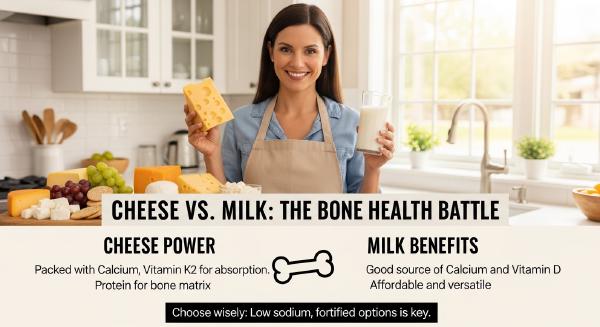
🦴 More Calcium Supplements Do Not Automatically Mean Stronger Bones #
The myth #
If calcium is important for bone health, taking increasingly large amounts of calcium supplements should make bones stronger.
The reality #
Calcium is essential for maintaining bone tissue, but more is not necessarily better.
The appropriate intake depends on age, sex, diet, health status, medications, and individual risk factors. Excessive supplementation can create problems in some people, including contributing to elevated urinary calcium and kidney-stone risk.
People with a history of calcium kidney stones, kidney disease, or conditions affecting calcium metabolism should be especially cautious about self-prescribing high-dose supplements.
Dietary calcium is generally preferable when adequate amounts can be obtained from food.
A better approach #
Prioritize calcium-rich foods such as dairy products, calcium-set tofu, fortified foods, and appropriate fish or leafy vegetables.
Use supplements when dietary intake is inadequate or when a healthcare professional recommends them.
Supplement dosage should be appropriate for the individual’s circumstances rather than based on the assumption that higher intake automatically produces stronger bones.
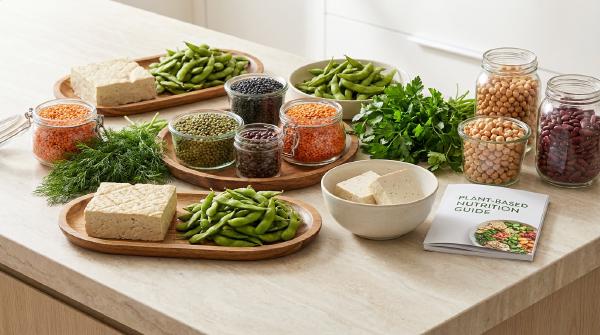
🥗 Strict Vegetarianism Requires Careful Nutritional Planning #
The myth #
Completely eliminating animal products automatically produces better health, greater longevity, and healthier arteries.
The reality #
Well-planned vegetarian and vegan diets can be nutritionally adequate and compatible with healthy eating. The problem is poorly planned dietary restriction, not plant-based food itself.
Older adults can be particularly vulnerable to inadequate protein and micronutrient intake because appetite, chewing ability, absorption, activity levels, and muscle mass can change with age.
Depending on the exact dietary pattern, nutrients requiring particular attention can include:
- Vitamin B12
- Protein
- Iron
- Zinc
- Calcium
- Vitamin D
- Iodine
- Long-chain omega-3 fatty acids
Vitamin B12 deserves particular attention because naturally occurring B12 is concentrated in animal-derived foods. People following strict vegan diets generally need reliable fortified foods or supplementation.
A better approach #
Choose a dietary pattern that can consistently meet nutritional requirements.
If following a vegetarian or vegan diet, deliberately plan adequate protein and micronutrient sources rather than simply removing animal products.
For older adults, maintaining muscle mass is particularly important. Protein intake should therefore be considered alongside resistance exercise, total calorie intake, and overall nutritional status.
There is no nutritional requirement to eliminate all animal foods if an individual can maintain a healthy, balanced diet that includes them.
🍋 Lemon Water and Salt Water Do Not “Detox” the Body #
The myth #
Drinking lemon water or salt water on an empty stomach flushes toxins from the body and resets the digestive system.
The reality #
A healthy body does not require a daily beverage to “flush out” toxins.
The liver, kidneys, gastrointestinal tract, and other physiological systems continuously process and eliminate metabolic waste.
Salt water can unnecessarily increase sodium intake, which is particularly relevant for people trying to manage blood pressure or other sodium-sensitive conditions.
Lemon water is generally safe for many people when consumed normally, but its acidity can aggravate symptoms in some individuals with acid reflux or other upper gastrointestinal problems.
Most importantly, lemon water does not possess a special detoxifying mechanism.
A better approach #
Drink water according to thirst and individual fluid requirements.
For constipation, address the underlying factors: adequate dietary fiber, appropriate hydration, regular physical activity, and a consistent daily routine.
Persistent or severe constipation should be evaluated medically rather than repeatedly treated with detox drinks.
🥣 Bone Broth Is Not a Reliable Calcium Supplement #
The myth #
Because bones contain large amounts of calcium, simmering bones in water produces a calcium-rich broth that can strengthen bones.
The reality #
Bone calcium is primarily stored in mineral structures such as hydroxyapatite. That does not mean large quantities of calcium automatically dissolve into ordinary homemade broth.
The mineral content of bone broth can vary substantially depending on the ingredients, cooking method, acidity, concentration, and preparation time.
The cloudy or milky appearance of some bone broths also does not prove that they contain large amounts of calcium. Much of that appearance can come from emulsified fat and other components released during cooking.
Bone broth can be a flavorful food, but it should not be assumed to provide enough calcium to replace established dietary sources.
A better approach #
Use nutritionally reliable calcium sources when bone health is the objective.
Depending on dietary preferences and individual health requirements, these can include dairy products, calcium-fortified foods, calcium-set tofu, and certain small fish consumed with edible bones.
Bone broth can remain part of a balanced diet if you enjoy it, but treat it as food rather than as a calcium supplement.
🩺 Healthy Aging Is About Balance, Not Perfect Health Rituals #
The biggest problem with many health myths is not that every individual habit is inherently dangerous. It is that a simple recommendation gets transformed into an absolute rule.
Ten thousand steps becomes mandatory.
Honey water becomes a daily detox.
Calcium becomes something to maximize.
Fruit juice becomes equivalent to whole fruit.
A plant-based diet becomes automatically superior.
Plain rice porridge becomes a permanent health strategy.
Real healthy aging is considerably less dramatic.
A sustainable approach generally focuses on:
- Eating a varied, nutrient-dense diet
- Getting sufficient protein and dietary fiber
- Maintaining appropriate calcium and vitamin D intake
- Performing regular aerobic and resistance exercise
- Protecting balance, mobility, and muscle mass
- Maintaining a healthy body weight
- Getting adequate sleep
- Avoiding tobacco and excessive alcohol
- Managing blood pressure, blood glucose, and cholesterol when appropriate
- Keeping up with age-appropriate preventive care
- Reviewing supplements and medications with healthcare professionals
The objective is not to discover a magical food, beverage, supplement, or daily step count.
For older adults especially, the most effective health strategy is usually the least sensational one: eat well, move appropriately, maintain muscle, sleep adequately, manage medical conditions, and use evidence rather than health folklore to guide long-term decisions.