10 Signs of Aging: What Changes Are Normal and What to Check
Aging rarely announces itself with a dramatic event. It happens gradually, often through small changes that are easy to dismiss.
You begin holding your phone farther away to read messages. Food tastes different, dry snacks become less appealing, and conversations in crowded restaurants become harder to follow. Getting out of a chair takes a little more effort, while sleep becomes lighter and familiar names take longer to recall.
Individually, these changes may seem insignificant. Together, they can indicate that several body systems are experiencing age-related changes.
But there is an important distinction: not every change should be blamed on aging. Some symptoms result from medication side effects, nutritional deficiencies, chronic health conditions, or other treatable problems.
Recognizing the difference matters.
The following 10 changes commonly occur as people grow older. Understanding why they happen, what they mean, and when they deserve medical attention can help you maintain independence and physical function for longer.
👃 1. Your Sense of Smell Becomes Less Sensitive #
A declining sense of smell is one of the less obvious changes associated with aging. Many people notice its effects through food rather than through their nose.
A meal that once smelled delicious may seem less appealing. Familiar fragrances become harder to recognize, and unpleasant odors may no longer be as noticeable.
The olfactory system, which detects and processes smells, can become less sensitive with age. Changes in the nasal passages, olfactory sensory neurons, and the neural pathways responsible for processing odors may all contribute.
Research indicates that measurable smell impairment becomes more common among older adults, particularly after age 65.
Why Smell Loss Changes the Way Food Tastes #
Smell contributes substantially to what people perceive as flavor.
When you eat, aromatic molecules travel from the back of the mouth into the nasal cavity, where olfactory receptors detect them. This process, known as retronasal olfaction, helps the brain distinguish the complex flavors of different foods.
When smell sensitivity declines, food may seem bland even when its basic tastes remain detectable.
This can lead to several behavioral changes:
- Adding more salt or soy sauce to meals.
- Preferring stronger seasonings and richer flavors.
- Losing interest in foods that were previously enjoyable.
- Having difficulty distinguishing certain foods by smell.
- Failing to notice spoiled food, smoke, or other potentially dangerous odors.
Some people also notice changes in their response to foods such as cilantro. However, cilantro preference is strongly influenced by genetic differences in odor perception, not simply by aging-related smell loss.
What You Can Do #
Avoid compensating for reduced flavor perception by continually increasing salt or sugar.
Instead, experiment with ingredients that add complexity without excessive sodium:
- Lemon juice and vinegar.
- Garlic, ginger, and fresh herbs.
- Black pepper and other spices.
- Tomatoes and mushrooms.
- Naturally aromatic vegetables.
Also pay attention to household safety. Install functioning smoke detectors and carbon monoxide alarms, and check food freshness carefully.
A persistent or sudden loss of smell should not automatically be attributed to aging. Respiratory infections, COVID-19, nasal polyps, medication effects, head injuries, and neurological conditions can also affect olfaction.
For additional guidance, see the National Institute on Aging’s explanation of age-related changes in smell and taste.
👅 2. Your Sense of Taste Changes and Food Seems Blunter #
Have you noticed that meals you once considered perfectly seasoned now taste bland?
Some older adults gradually become less sensitive to certain tastes, including sweetness, saltiness, and bitterness. Changes in taste perception may occur alongside declining smell sensitivity.
Taste is more complicated than the number of functioning taste buds, however. Saliva production, oral health, medications, and the condition of sensory nerves also influence how food tastes.
Why Food May No Longer Taste the Same #
Several physiological changes can contribute:
Changes in taste sensitivity
Some people become less sensitive to particular tastes as they age. The degree of change varies considerably, and not everyone experiences it.
Reduced smell perception
Because smell contributes significantly to flavor, declining olfactory function can make food seem less flavorful even when the taste buds are working normally.
Medication effects
Certain antibiotics, antihistamines, blood pressure medications, and antidepressants can alter taste perception or contribute to dry mouth.
Oral health problems
Gum disease, dental infections, poorly fitting dentures, and other oral conditions may change the way food tastes.
Why Adding More Salt Can Become a Problem #
One common response to reduced taste sensitivity is to increase seasoning.
The danger is that this can gradually increase sodium consumption without improving the underlying sensory problem.
Excessive sodium intake can contribute to elevated blood pressure, particularly in salt-sensitive individuals.
A better strategy is to build flavor through several different ingredients rather than relying on salt alone.
For example, combining tomatoes, mushrooms, garlic, herbs, and a little vinegar can create a satisfying flavor profile without requiring excessive seasoning.
If food suddenly tastes different or your appetite declines significantly, investigate possible medication effects, oral health problems, and other medical causes.
💧 3. Dry Mouth Makes Crunchy Foods Harder to Eat #
Another change that can become noticeable with age is difficulty eating dry or crumbly foods.
Crackers, potato chips, toasted bread, nuts, and other crunchy foods may feel unusually dry. Chewing takes longer, swallowing requires more effort, and drinking water during meals becomes more frequent.
One possible explanation is reduced saliva production.
Saliva does much more than keep the mouth moist. It lubricates food, helps form a swallowable bolus, supports taste perception, and protects teeth and oral tissues.
Why Saliva Matters #
When saliva is insufficient, several problems can develop:
- Dry mouth and persistent thirst sensations.
- Difficulty chewing and swallowing dry foods.
- Reduced ability to perceive flavors.
- Increased risk of tooth decay.
- Oral discomfort and bad breath.
- Greater difficulty wearing dentures.
However, an important medical distinction needs to be made: aging itself does not necessarily cause significant dry mouth.
Although dry mouth is more common among older adults, medication use and underlying health conditions are major contributors.
Common causes include:
- Antihistamines and decongestants.
- Certain antidepressants.
- Some blood pressure medications.
- Diuretics.
- Diabetes.
- Sjögren’s syndrome.
- Dehydration.
- Previous radiation treatment involving the head and neck.
Taking several medications simultaneously can further increase the likelihood of oral dryness.
How to Manage Persistent Dry Mouth #
A few practical adjustments may help:
- Sip water regularly throughout the day.
- Include appropriate sauces, broth, or moisture-rich foods with meals.
- Chew sugar-free gum to stimulate saliva production when appropriate.
- Maintain regular dental checkups.
- Avoid excessive alcohol and tobacco, which can worsen oral dryness.
- Ask a healthcare professional or pharmacist to review medications that may contribute to the problem.
Do not discontinue prescribed medication without medical advice.
Persistent dry mouth, particularly when accompanied by difficulty swallowing, mouth sores, or unexplained dental problems, deserves professional evaluation.
👓 4. You Have Trouble Seeing Objects Up Close #
One of the most recognizable age-related changes is presbyopia.
You may first notice it when reading a restaurant menu, checking a phone, or looking at small text on a medicine bottle.
Instinctively, you move the object farther away until the words become clearer.
This is not simply eye fatigue. It is a physiological change in the eye’s focusing system.
Why Presbyopia Develops #
The crystalline lens inside the eye changes shape to focus on objects at different distances.
When you are young, the lens is relatively flexible. Small muscles inside the eye adjust its shape, allowing you to switch focus between nearby and distant objects.
As you age, the lens gradually becomes harder and less flexible. Its ability to accommodate nearby objects declines.
This condition is known as presbyopia.
It generally becomes noticeable after age 40–45 and affects virtually everyone eventually.
Common Signs of Presbyopia #
You may experience:
- Difficulty reading small print.
- Holding your phone or books farther away.
- Needing brighter lighting to read comfortably.
- Eye strain after prolonged close-up work.
- Headaches associated with reading.
- Difficulty focusing quickly between near and distant objects.
Presbyopia is a normal age-related change, but other eye conditions can produce similar symptoms.
What You Should Do #
A comprehensive eye examination can determine whether reading glasses or another form of vision correction is appropriate.
Practical adjustments include:
- Increasing lighting when reading.
- Enlarging text on phones and computers.
- Taking regular breaks during prolonged close-up work.
- Using properly prescribed reading glasses.
- Scheduling regular eye examinations.
Do not assume every vision change is presbyopia.
Sudden vision loss, new double vision, flashes of light, or a sudden increase in floaters requires prompt medical assessment.
Reading glasses are not a sign of failure. They simply compensate for changes in the eye’s focusing ability.
👂 5. You Struggle to Understand Conversations in Noisy Places #
Hearing loss can develop so gradually that people do not recognize it immediately.
At first, you may think other people are speaking too softly or mumbling. Eventually, you notice that following conversations at restaurants, family gatherings, or meetings requires considerably more effort.
This pattern is commonly associated with age-related hearing loss, also known as presbycusis.
Why High-Frequency Hearing Often Declines First #
Age-related changes can affect the delicate sensory structures inside the cochlea, the spiral-shaped organ in the inner ear.
The hair cells responsible for detecting sound vibrations become less effective over time. Changes in auditory nerve pathways may also contribute.
Hearing loss commonly affects high-frequency sounds first.
This matters because many consonants that distinguish words contain high-frequency acoustic information.
You may hear that somebody is speaking but struggle to understand exactly what they are saying.
Background noise makes the problem even more apparent.
Common Warning Signs #
Look for these patterns:
- Difficulty following conversations in restaurants.
- Frequently asking people to repeat themselves.
- Trouble hearing children or higher-pitched voices.
- Increasing television volume beyond other family members’ preferences.
- Missing parts of conversations during group discussions.
- Avoiding social situations because listening becomes exhausting.
Hearing loss is not always a simple consequence of age. Long-term noise exposure, diabetes, hypertension, ear disease, and certain medications can also contribute.
Why Early Hearing Assessment Matters #
Persistent hearing loss affects more than communication.
It can make conversations exhausting, reduce participation in social activities, and interfere with hearing warnings or important instructions.
Untreated hearing problems may also complicate cognitive assessments because difficulty hearing questions can be mistaken for memory or comprehension problems.
A hearing evaluation can determine the degree and type of hearing loss.
Depending on the findings, hearing aids, assistive listening devices, or other interventions may help.
When speaking with someone who has hearing difficulty, face them directly, reduce background noise, and speak clearly rather than simply shouting.
For more information, see the National Institute on Deafness and Other Communication Disorders guide to age-related hearing loss.
💪 6. Your Muscle Strength and Physical Endurance Decline #
Difficulty opening jars, carrying groceries, climbing stairs, or getting out of a low chair can indicate declining muscle strength.
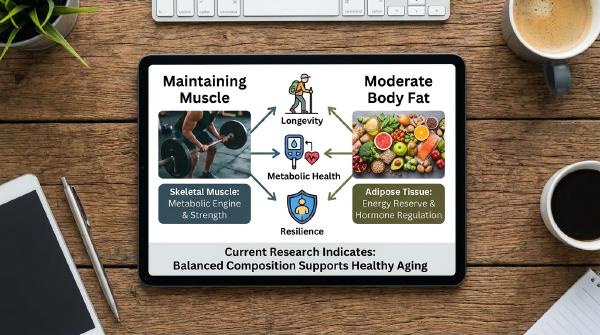
Muscle mass naturally changes throughout adulthood. Without sufficient physical activity and resistance training, the loss of muscle tissue and strength can become more pronounced with age.
The medical term for progressive loss of skeletal muscle strength and function is sarcopenia.
It is particularly relevant among older adults because declining muscle function can affect independence, mobility, and fall risk.
Why Muscle Loss Accelerates Functional Decline #
Skeletal muscles are not merely responsible for movement.
They also contribute to glucose regulation, energy metabolism, posture, and the body’s ability to respond to physical stress.
When muscle mass and strength decline, everyday activities become more demanding.
Common signs include:
- Reduced grip strength.
- Difficulty opening jars or bottles.
- Needing to push with your arms when standing from a chair.
- Slower walking speed.
- Difficulty climbing stairs.
- Reduced ability to carry shopping bags or luggage.
- Longer recovery after physical activity.
These changes may indicate sarcopenia, but they can also result from arthritis, neurological disorders, cardiovascular disease, poor nutrition, and other medical conditions.
How to Preserve Muscle Strength #
Resistance training is one of the best-supported strategies for managing age-related muscle loss.
A practical routine can include:
- Squats or assisted chair stands.
- Wall push-ups or modified push-ups.
- Resistance-band exercises.
- Light dumbbell training.
- Step-ups using a stable platform.
- Exercises targeting the back, hips, and legs.
For older adults, two or more weekly sessions of muscle-strengthening activity can be a useful starting point.
Adequate protein intake also matters. Fish, eggs, dairy products, poultry, legumes, and soy foods can help supply the amino acids needed for muscle maintenance and repair.
Protein requirements vary with body size, health status, kidney function, and activity level. Older adults with chronic kidney disease or other dietary restrictions should seek individualized advice.
For more practical nutrition guidance, see 20 Grams of Protein at Breakfast: Benefits, Blood Sugar, and Muscle Health.
Muscle loss is not inevitable, and reduced strength should not simply be accepted as an unavoidable consequence of getting older.
🚶 7. Getting Up, Turning, and Maintaining Balance Become More Difficult #
Have you noticed that getting out of a chair requires more effort than before?
Perhaps you now use your hands for support, turn more cautiously, or feel less stable when walking on uneven surfaces.
These changes may reflect declining physical function, but they involve more than muscle strength.
Balance depends on several systems working together:
- Muscular strength and joint mobility.
- Proprioception, which allows the brain to sense body position.
- The vestibular system in the inner ear.
- Vision.
- Coordination between the brain and peripheral nerves.
- Reaction time.
When one or more of these systems becomes less effective, movements may feel less stable.
Everyday Signs of Reduced Physical Function #
Pay attention to changes such as:
- Needing both hands to rise from a chair.
- Taking shorter steps when walking.
- Feeling unsteady when turning quickly.
- Having difficulty walking on uneven ground.
- Requiring additional support when climbing stairs.
- Feeling less confident when bending down.
- Experiencing more frequent near-falls.
These observations are useful, but they are not diagnostic tests.
For example, difficulty rising from a chair may result from muscle weakness, knee arthritis, hip problems, or neurological conditions.
A healthcare professional can assess strength, gait, balance, medications, and other possible contributors.
How to Maintain Balance and Mobility #
Several simple activities can help preserve physical function:
Chair-stand practice
Repeatedly stand up from a stable chair and sit down with controlled movements. Use your hands for support when necessary.
Single-leg balance
Stand near a stable counter and briefly lift one foot. Start with support and increase difficulty only when safe.
Heel-to-toe walking
Walk slowly along a straight line, placing one foot directly in front of the other.
Tai Chi
Tai Chi combines controlled movements, posture changes, and balance practice. It can be a useful option for older adults.
Walking and lower-body strengthening
Regular walking combined with exercises for the hips, thighs, and calves supports mobility.
Also review your home environment.
Loose rugs, electrical cords, slippery bathroom floors, poor lighting, and unstable furniture can increase fall risk.
A first fall should never be treated as an inevitable milestone of aging. Recurrent falls or unexplained balance problems deserve medical assessment.
😴 8. Your Sleep Becomes Lighter and More Fragmented #
Many older adults notice that their sleep pattern changes.
They may wake up earlier, fall asleep less easily, or experience more interruptions throughout the night.
Some describe the experience as sleeping less deeply than they did in their younger years.
There are genuine age-related changes in sleep architecture, including reductions in deep slow-wave sleep and changes in circadian timing.
However, this does not mean older adults no longer need adequate sleep.
Most adults, including older adults, generally need around 7–9 hours of sleep, although individual requirements vary.
Why Sleep Changes With Age #
Several physiological and medical factors can contribute:
Changes in circadian rhythm
The internal biological clock may shift toward earlier sleep and waking times.
Reduced deep sleep
Older adults generally spend less time in certain stages of deep sleep, making sleep more easily disrupted.
Increased nighttime awakenings
Pain, medications, urinary problems, and environmental disturbances can interrupt sleep.
Chronic medical conditions
Arthritis, heart disease, respiratory conditions, and neurological disorders can interfere with sleep continuity.
Sleep apnea
Obstructive sleep apnea becomes more common with age and can cause repeated interruptions in breathing during sleep.
How to Improve Sleep Quality #
Start with basic sleep habits:
- Maintain consistent sleeping and waking times.
- Get regular daylight exposure, particularly in the morning.
- Exercise during the day.
- Limit caffeine later in the day.
- Keep the bedroom dark, quiet, and comfortable.
- Reduce stimulating activities before bedtime.
- Avoid excessive alcohol, which can fragment sleep.
Do not automatically blame persistent insomnia on aging.
Loud snoring, repeated gasping during sleep, excessive daytime sleepiness, and frequent nighttime awakenings may indicate an underlying sleep disorder.
Persistent sleep problems deserve evaluation rather than indefinite reliance on sleeping pills or supplements.
For more information, see Insomnia Warning Signs: When to See a Sleep Specialist.
🚰 9. You Feel Less Thirsty Even When Your Body Needs Water #
Thirst is one of the body’s mechanisms for maintaining fluid balance.
When blood becomes more concentrated, the brain normally triggers a sensation of thirst, encouraging you to drink.
However, this response can become less sensitive with age.
Research indicates that older adults may have a weaker thirst response to changes in blood concentration and may not increase fluid intake as effectively as younger people.
This can increase susceptibility to dehydration, especially during hot weather, illness, or physical activity.
Why Reduced Thirst Perception Matters #
Dehydration can affect several body systems.
Possible symptoms include:
- Fatigue and weakness.
- Dizziness or lightheadedness.
- Dry mouth.
- Reduced urine output.
- Darker urine.
- Constipation.
- Difficulty concentrating.
More severe dehydration may cause confusion, rapid heartbeat, low blood pressure, and impaired kidney function.
Older adults who take diuretics or have diabetes, kidney conditions, or mobility limitations may face additional risks.
How to Maintain Adequate Hydration #
Do not rely exclusively on thirst.
Instead:
- Drink appropriate amounts of water at regular intervals.
- Keep water accessible throughout the day.
- Increase attention to hydration during hot weather.
- Replace fluids lost through sweating, vomiting, or diarrhea.
- Include water-rich foods such as vegetables, fruits, and soups.
- Pay attention to changes in urine output and overall physical condition.
Urine color can provide a rough indication of hydration, but it is also influenced by medications, supplements, and other factors.
There is no universal fluid target suitable for everyone.
People with heart failure, advanced kidney disease, or other conditions requiring fluid restriction should follow their healthcare professional’s instructions rather than deliberately increasing water intake.
The key is to maintain appropriate hydration without exceeding individual medical requirements.
🧠 10. Your Thinking and Information Processing Become Slower #
You walk into a room and forget why you went there. A familiar name takes several seconds to come to mind. Learning a new phone application seems harder than it used to be.
These experiences can be frustrating, but occasional forgetfulness does not automatically indicate dementia.
Normal aging can affect several aspects of cognitive performance, particularly processing speed, attention, and the ability to retrieve information quickly.
What Changes in the Aging Brain? #
As people grow older, changes occur in brain structure, connectivity, and information processing.
Some people notice:
- Taking longer to recall names.
- Needing more time to learn unfamiliar tasks.
- Finding multitasking more difficult.
- Becoming distracted more easily.
- Taking longer to respond to complicated questions.
- Occasionally forgetting appointments or misplaced objects.
These changes do not necessarily indicate a neurological disease.
For many older adults, accumulated knowledge, vocabulary, and well-established skills remain relatively stable even when processing speed slows.
Normal Forgetfulness Versus Dementia #
The distinction is not simply how frequently someone forgets something.
The more meaningful question is whether memory and thinking problems interfere with independent daily activities.
| Normal Age-Related Changes | Changes That Deserve Evaluation |
|---|---|
| Occasionally forgetting a name but recalling it later | Repeatedly forgetting familiar people or close relationships |
| Misplacing objects occasionally | Frequently placing objects in unusual locations and being unable to retrace steps |
| Taking longer to learn something new | Being unable to complete familiar everyday tasks |
| Sometimes forgetting an appointment | Repeatedly missing important appointments despite reminders |
| Occasionally losing track of a conversation | Frequently struggling to follow or participate in familiar conversations |
| Needing reminders for certain tasks | Having difficulty managing medication, finances, or personal care |
Dementia is not an inevitable part of aging.
Noticeable changes in memory, judgment, language, or daily functioning should be assessed by a healthcare professional.
Sudden confusion, particularly when accompanied by fever, weakness, speech changes, or other acute symptoms, requires urgent medical attention because delirium, stroke, infection, or other conditions may be responsible.
How to Support Cognitive Health #
Brain health depends on several interconnected factors.
Useful long-term habits include:
- Maintaining regular physical activity.
- Getting sufficient sleep.
- Staying socially engaged.
- Learning new skills.
- Reading and participating in mentally stimulating activities.
- Managing blood pressure and blood glucose.
- Addressing hearing and vision problems.
- Treating depression and other relevant health conditions.
Hearing loss deserves particular attention. When conversations become difficult to understand, people may withdraw from social situations, and reduced auditory input can complicate cognitive functioning.
Addressing sensory problems is therefore part of maintaining overall brain health.
🩺 Why Multiple Age-Related Changes Should Not Be Ignored #
The ten changes described above do not occur independently.
Declining smell can reduce appetite and change dietary choices. Dry mouth can make eating uncomfortable. Reduced muscle strength can make physical activity more difficult. Poor sleep can worsen concentration and reaction time, while hearing loss may gradually reduce social participation.
These changes can reinforce one another.
Consider a simple example:
An older adult develops difficulty hearing conversations. Family gatherings become tiring, so the person gradually participates less. Reduced social activity affects mood and motivation. Physical activity also declines, contributing to muscle weakness and poorer sleep.
What initially appeared to be an isolated sensory problem can eventually affect several aspects of daily functioning.
However, several symptoms appearing together do not prove that biological aging is accelerating. They may also share a treatable underlying cause.
Medication side effects, nutritional deficiencies, depression, sleep disorders, thyroid problems, neurological conditions, and chronic diseases can produce overlapping symptoms.
A More Useful Way to Respond to These Changes #
Rather than treating every new limitation as inevitable, identify what has changed and whether it affects daily functioning.
| Observed Change | Practical Response |
|---|---|
| Reduced smell | Review possible causes, assess food safety, and seek evaluation for persistent changes |
| Blunter taste | Check oral health, medication effects, and dietary sodium intake |
| Persistent dry mouth | Review medications and investigate possible salivary gland or systemic conditions |
| Blurred near vision | Arrange an eye examination and obtain appropriate vision correction |
| Difficulty hearing conversations | Obtain a hearing assessment and discuss hearing aids when indicated |
| Declining muscle strength | Begin appropriate resistance training and assess nutritional intake |
| Reduced balance | Review mobility, medications, vision, and fall risk |
| Fragmented sleep | Improve sleep habits and investigate persistent insomnia or possible sleep apnea |
| Reduced thirst | Maintain an appropriate hydration routine based on medical needs |
| Slower memory and processing | Monitor functional changes and seek evaluation when everyday independence is affected |
Aging cannot be stopped, but its effects on everyday function are not entirely predetermined.
The most useful distinction is between changes that can be managed through exercise, nutrition, environmental adjustments, and appropriate medical care, and symptoms that may indicate an underlying condition requiring diagnosis.
A gradual reduction in physical or sensory ability deserves attention before it becomes a limitation on independent living. Sudden changes, progressive functional loss, and symptoms that interfere with daily activities should never be dismissed simply because someone is getting older.