Soy Milk vs Milk: 28-Day Effects on Cholesterol & Health
🧪 Cardiometabolic Impact of a 28-Day Dairy Swap #
A 2024 meta-analysis in BMC Medicine suggests that replacing daily milk intake with soy milk for approximately four weeks—while maintaining equivalent protein intake—can produce measurable shifts in cardiometabolic markers in adults. The most consistent findings include reductions in LDL cholesterol, modest improvements in blood pressure, and lowered systemic inflammatory indicators.
This comparison is not about declaring a universal “winner,” but about understanding how plant-based and animal-based protein systems interact differently with lipid metabolism, vascular biology, and micronutrient transport.
🌱 Soy Milk: Lipid Modulation and Vascular Support #
Soy milk functions primarily as a cardiometabolic modulator due to its lipid profile and bioactive compounds.
Lipid metabolism and LDL regulation #
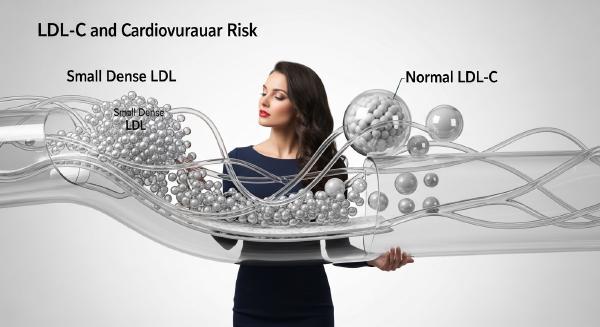
Soy protein contains peptide fractions that influence hepatic LDL receptor expression, increasing clearance of circulating LDL cholesterol. Combined with plant sterols and unsaturated fatty acids, this shifts lipid handling toward reduced atherogenic burden.
Unlike dairy fat, soy contains no dietary cholesterol and minimal saturated fat, reducing baseline lipid load in the bloodstream.
Isoflavones and endothelial function #
Soy isoflavones act as bioactive polyphenols with mild estrogenic activity. Mechanistically, they support nitric oxide (NO) availability in vascular endothelium, contributing to vasodilation and modest blood pressure reduction.
They also exhibit antioxidant activity, reducing oxidative stress and dampening inflammatory signaling pathways associated with endothelial dysfunction and early atherosclerosis.
🥛 Dairy Milk: Structural Nutrition and Anabolic Efficiency #
Milk remains a high-efficiency nutrient system for skeletal and muscular development, particularly due to its calcium bioavailability and protein composition.
Calcium density and absorption dynamics #
Milk provides significantly higher calcium density than soy milk. Its absorption efficiency is enhanced by lactose-derived metabolites and the presence of vitamin D in fortified products.
By contrast, soy contains phytates and oxalates that can bind calcium and reduce bioavailability unless fortified.
Whey, casein, and muscle protein synthesis #
Milk protein is composed of whey and casein, with whey being rapidly digested and rich in leucine—an amino acid that activates the mTOR pathway, a central regulator of muscle protein synthesis.
This makes dairy especially effective for muscle maintenance, recovery, and prevention of sarcopenia in aging populations.
Vitamin B12 limitation in plant-based systems #
Milk provides bioavailable vitamin B12, essential for myelin maintenance, erythropoiesis, and neurological function. Unfortified soy milk lacks B12 entirely, requiring dietary supplementation in strict plant-based diets.
⚖️ Metabolic Myths and Clinical Clarifications #
Gout and soy intake #
While soybeans contain purines, soy milk processing significantly reduces purine concentration through dilution and filtration. Plant-derived purines also show weaker associations with gout flare risk compared to animal-derived sources such as organ meats and seafood.
Phytoestrogens and hormonal effects #
Soy isoflavones are structurally similar to estrogen but exhibit significantly weaker receptor affinity. Their activity is context-dependent, showing weak agonist or antagonist behavior based on endogenous hormone levels rather than direct hormonal disruption.
Added sugar in commercial soy milk #
Commercial soy milk may include small amounts of added sugar to improve palatability. In typical dietary patterns, this level of sugar does not negate observed lipid or blood pressure benefits when overall diet quality is controlled.
🛒 Selecting High-Quality Soy Milk in Practice #
Fortified vs unfortified formulations #
“Formulated” or fortified soy milk often includes added calcium, vitamin D, and B vitamins. These additions can significantly improve micronutrient completeness, making fortified products nutritionally competitive with dairy in specific contexts.
Protein density as a quality signal #
Protein content is a primary quality indicator:
- < 2.0 g/100 ml: low-quality, dilute beverage
- 2.0–2.5 g/100 ml: standard commercial range
- ≥ 3.0 g/100 ml: high-protein formulation
Ingredient ordering should prioritize water and soybeans at the top of the list. Excess sugar or syrups as primary ingredients indicate reduced nutritional density.
🔬 Dietary Strategy: Complementary Intake Model #
Rather than treating milk and soy milk as mutually exclusive, a systems-based dietary approach leverages both depending on physiological needs.
Time-based intake strategy #
Morning intake of milk supports rapid amino acid delivery and calcium absorption for metabolic activation. Soy milk in later hours provides a low-saturated-fat alternative that reduces cardiovascular load while delivering polyphenolic compounds that support vascular relaxation.
Population-specific optimization #
- Adolescents and pregnancy: prioritize dairy for calcium and complete amino acid density
- Individuals with dyslipidemia or hypertension: increase soy-based protein intake to support lipid reduction
- Lactose intolerance: soy milk serves as a primary protein alternative, requiring compensation from other calcium-rich foods or fortified products
🧠 Conclusion: Functional Nutrient Partitioning #
Milk and soy milk operate through fundamentally different biological mechanisms. Dairy optimizes structural nutrition through high bioavailability calcium, complete protein, and B12 support. Soy milk optimizes metabolic regulation through lipid modulation, endothelial support, and anti-inflammatory phytonutrients.
From a systems nutrition perspective, the most robust dietary strategy is not substitution alone, but functional partitioning based on physiological demand: structural support from animal sources and metabolic modulation from plant sources.