Blood Viscosity and Hydration: What You Need to Know
Blood must circulate continuously to deliver oxygen and nutrients to tissues while carrying metabolic waste away. Normal circulation depends on a complex interaction between blood composition, vessel diameter, cardiac output, hydration status, and vascular health.
Blood viscosity describes how resistant blood is to flowing. When viscosity increases substantially, circulation can become more difficult. However, the concept of “thick blood” is often oversimplified: dehydration is only one possible contributor, and persistent abnormalities in blood viscosity can be associated with underlying blood, metabolic, cardiovascular, or other medical conditions.
This makes it important to distinguish between temporary changes in hydration and clinically significant hyperviscosity.
Maintaining adequate fluid intake supports normal blood volume and circulation, but hydration should not be viewed as a treatment for thrombosis, atherosclerosis, stroke, or other cardiovascular diseases.
🩸 What Causes Blood Viscosity to Increase? #
In clinical medicine, hyperviscosity refers to abnormally increased resistance to blood flow. It can result from changes in blood cells, plasma proteins, lipids, or overall fluid balance.
Cellular and Biochemical Factors #
Several changes in blood composition can increase viscosity, including:
- Elevated red blood cell concentration or hematocrit
- Abnormally high platelet counts
- Increased concentrations of certain plasma proteins
- Elevated blood lipids
- Metabolic abnormalities
The specific mechanism matters because different causes require different diagnostic approaches and treatments.
For example, dehydration can increase hematocrit by reducing plasma volume, while certain blood disorders can directly increase the concentration of circulating cells or proteins.
Lifestyle Factors #
Lifestyle and environmental conditions can also influence circulation and hydration status.
Relevant factors include:
- Inadequate fluid intake
- Significant fluid loss from sweating, vomiting, diarrhea, or fever
- Prolonged physical inactivity
- Diets high in saturated fat, added sugar, or sodium
- Chronic stress
- Excessive alcohol consumption
These factors do not automatically cause clinical hyperviscosity, but they can contribute to cardiovascular risk or alter fluid balance.
Cold Weather and Vascular Constriction #
Cold temperatures can cause peripheral blood vessels to constrict. This changes vascular resistance and can place additional demands on the cardiovascular system.
People with cardiovascular disease or other circulatory conditions may therefore need to take particular care during periods of extreme cold.
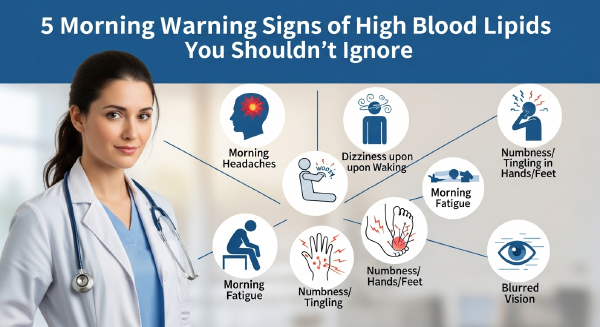
⚠️ Five Symptoms That Should Not Be Ignored #
Many nonspecific symptoms are sometimes attributed to “high blood viscosity,” but they can have numerous causes.
Symptoms such as dizziness, fatigue, or blurred vision should not be used to diagnose hyperviscosity on their own. Persistent or severe symptoms warrant appropriate medical evaluation.
1. Morning Dizziness or Grogginess #
Feeling unusually tired, dizzy, or mentally sluggish after waking can result from many factors, including inadequate sleep, dehydration, low blood pressure, medication effects, or metabolic conditions.
Although overnight fluid loss can contribute to mild dehydration, morning grogginess should not automatically be interpreted as evidence of impaired cerebral circulation.
If dizziness is recurrent, severe, or accompanied by neurological symptoms, medical assessment is appropriate.
2. Excessive Fatigue After Meals #
Post-meal sleepiness is common and can be influenced by meal size, carbohydrate intake, sleep quality, circadian rhythms, and metabolic factors.
Pronounced or persistent fatigue after eating may warrant evaluation, particularly when accompanied by excessive thirst, frequent urination, unexplained weight changes, or other symptoms.
It should not be assumed to result from blood becoming excessively concentrated during digestion.
3. Transient or Sudden Vision Changes #
Temporary blurred vision or episodes of partial vision loss can have many causes.
However, sudden or transient vision loss can be a medical emergency, particularly when it affects one eye or occurs alongside weakness, numbness, difficulty speaking, severe headache, or other neurological symptoms.
Such symptoms can be associated with transient ischemic attacks or other vascular problems and require prompt medical evaluation.
Do not attempt to correct sudden vision changes simply by drinking water.
4. Chest Tightness or Shortness of Breath #
Chest pressure, chest pain, palpitations, or unexplained shortness of breath should not be casually attributed to blood viscosity.
These symptoms can indicate cardiovascular or pulmonary problems, including conditions that require urgent treatment.
If chest discomfort is severe, persistent, occurs with exertion, or is accompanied by sweating, nausea, fainting, or pain radiating to the arm, back, neck, or jaw, seek emergency medical care.
5. Bluish or Purplish Skin and Lips #
Cyanosis refers to a bluish or purplish discoloration of the skin, lips, or mucous membranes.
It can indicate inadequate oxygenation or impaired circulation and has numerous possible causes.
Exercise-related discoloration that is new, pronounced, or accompanied by shortness of breath, chest pain, confusion, or weakness requires medical attention.
Importantly, hyperviscosity does not simply mean that blood has lost its ability to carry oxygen. The relationship between blood viscosity and oxygen delivery is considerably more complex.
💧 When Is Blood Most Concentrated? #
A common health claim is that blood viscosity reaches two predictable daily peaks: immediately after waking and shortly before bedtime.
The underlying physiology is more nuanced.
Overnight Fluid Loss #
During sleep, the body continues to lose water through respiration and, to a lesser extent, perspiration. Because fluid intake normally stops for several hours, plasma volume can decrease somewhat overnight.
This can contribute to mild dehydration by morning, particularly after inadequate daytime hydration, heavy exercise, alcohol consumption, fever, or a warm sleeping environment.
However, there is no universal clinical rule that blood viscosity peaks at the exact moment of waking.
Blood viscosity varies according to hydration, hematocrit, plasma proteins, temperature, blood flow conditions, and underlying health status.
Drinking Water Before Bed #
A small amount of water before bedtime can contribute to overall hydration for some people.
However, there is no established rule that everyone should drink water specifically one hour before bed to prevent a nighttime “blood viscosity peak.”
Excessive fluid intake immediately before sleep can increase nighttime urination and disrupt sleep.
People with heart failure, kidney disease, liver disease, or conditions requiring fluid restriction should follow their clinician’s individualized recommendations rather than adopting a generic hydration target.
🚰 Four Principles for Healthy Hydration #
Adequate hydration supports normal blood volume and physiological function, but the optimal amount varies substantially between individuals.
1. Prefer Water for Routine Hydration #
Plain water is an effective choice for everyday hydration.
Other beverages and water-rich foods also contribute to total fluid intake. The best choice depends on activity level, climate, diet, medical conditions, and individual needs.
There is no evidence that plain water acts as a special “blood thinner.” Its primary role is maintaining appropriate body-fluid balance.
2. Room Temperature Is Generally Fine #
There is no general requirement to drink water at 35°C–40°C for healthy circulation.
Water temperature is primarily a matter of comfort and individual tolerance. For most healthy adults, cool, room-temperature, or warm water can all contribute to hydration.
Very cold beverages may be uncomfortable for some people, but there is no established requirement that water be slightly above body temperature to prevent vascular spasms.
3. Drink According to Your Needs #
Rather than relying on a universal minimum such as 1,200 mL per day, fluid requirements should account for individual circumstances.
Water needs can increase with:
- Hot weather
- Exercise
- Heavy sweating
- Fever
- Vomiting or diarrhea
- Pregnancy or breastfeeding
- Certain dietary patterns
For many healthy adults, thirst and normal fluid intake provide useful guidance, while urine color can offer a rough indication of hydration status.
People with kidney, heart, or liver conditions may have very different fluid requirements.
4. Sip Normally Rather Than Forcing Large Volumes #
There is generally no need to drink water slowly for the purpose of “protecting the cardiovascular system.”
Healthy people can normally drink according to thirst and circumstances.
However, consuming very large quantities of water rapidly can be dangerous because excessive water intake can dilute blood sodium and cause hyponatremia.
The practical goal is therefore neither to gulp excessive volumes nor to artificially restrict drinking speed. Instead, maintain a steady fluid intake appropriate for your body’s needs.
🧪 Blood Viscosity Cannot Be Diagnosed by Symptoms Alone #
One of the most important distinctions is between a subjective feeling of having “thick blood” and medically confirmed hyperviscosity.
Blood viscosity is influenced by multiple variables, and symptoms such as fatigue, dizziness, sleepiness, or blurred vision are not specific enough to establish the diagnosis.
When clinically indicated, healthcare professionals may evaluate factors such as:
- Complete blood count
- Hematocrit and hemoglobin
- Platelet count
- Plasma proteins
- Lipid profile
- Blood glucose
- Kidney function
- Liver function
- Hydration status
- Other disease-specific markers
Direct viscosity testing may also be performed in selected clinical situations.
The appropriate diagnostic strategy depends on the suspected cause rather than on a generic “blood thickness” assessment.
🛑 Hydration Is Not a Substitute for Medical Treatment #
Adequate hydration is important, but drinking more water cannot dissolve an existing blood clot, reverse atherosclerosis, or reliably prevent a stroke.
Certain symptoms require immediate medical evaluation regardless of hydration status.
Seek emergency care for signs such as:
- Sudden weakness or numbness, especially on one side
- Sudden difficulty speaking or understanding speech
- Sudden loss of vision
- Severe unexplained headache
- Fainting or significant confusion
- Severe or persistent chest pain
- Severe shortness of breath
- Sudden swelling or pain in one leg accompanied by respiratory symptoms
These can indicate serious cardiovascular, neurological, or thromboembolic conditions.
🧭 The Right Way to Think About Blood Viscosity #
Blood flow is determined by a complex relationship between viscosity, vessel diameter, blood volume, pressure, cardiac function, and vascular resistance.
Dehydration can reduce plasma volume and make blood more concentrated, but it is only one factor among many.
Likewise, there is no reliable universal rule stating that blood viscosity reaches precisely two daily peaks or that drinking a specific volume of water at a specific temperature can “clear” blood vessels.
A more scientifically sound approach is to focus on adequate hydration, regular physical activity, balanced nutrition, cardiovascular risk management, and prompt evaluation of warning symptoms.
For most healthy people, the practical goal is simple: drink enough fluid to maintain normal hydration without forcing excessive amounts. For anyone with persistent symptoms or an underlying cardiovascular, kidney, liver, or blood disorder, hydration strategies should be individualized with professional medical guidance.
Healthy circulation is not created by a single “life-saving glass of water.” It is the result of maintaining a healthy cardiovascular system and addressing the underlying causes of circulatory problems when they arise.