The Physical Activity Paradox: Why Hard Labor Isn’t Exercise
If you spend your workday carrying construction materials, delivering packages, lifting products in a warehouse, or performing repetitive tasks on a factory floor, you probably finish the day feeling as though you’ve already completed an intense workout.
Your muscles are tired, your clothes are soaked with sweat, and your body needs rest. It seems reasonable to conclude that all this physical effort must be protecting your health—and that going to the gym after work would simply add unnecessary strain.
But research suggests the relationship between physical activity and health is more complicated.
A large international analysis involving nearly 590,000 workers found that high levels of occupational physical activity did not provide the same health benefits as leisure-time exercise. Among men, high occupational activity was associated with a modest increase in all-cause mortality risk. Among women, it showed little evidence of a protective effect. In contrast, leisure-time physical activity was consistently associated with lower mortality risk in both groups.
This apparent contradiction is known as the physical activity health paradox.
The central lesson is important for people who earn a living through physical labor: moving throughout the workday is not necessarily equivalent to exercising for better health. The intensity, duration, recovery opportunities, and degree of control over physical effort all matter.
The goal is not to add more exhaustion to an already demanding schedule. It is to recover properly and introduce the kinds of physical activity that occupational work may not provide.
🔬 What the Research Says About Physical Labor and Longevity #
A 2024 pooled analysis published in the British Journal of Sports Medicine examined individual participant data from 22 cohort studies across 11 countries.
The analysis included nearly 590,000 working adults between 18 and 65 years old. Participants were followed for periods extending beyond 23 years, with nearly 100,000 deaths recorded during follow-up.
Researchers examined occupational physical activity and leisure-time physical activity while accounting for several relevant factors, including age, body mass index, smoking, education, and exercise outside work.
The findings revealed an important distinction:
- Men: High-intensity occupational physical activity was associated with an increased risk of all-cause mortality, reaching approximately 12% in the highest exposure category.
- Women: High occupational physical activity showed little evidence of a mortality benefit, with the association remaining close to neutral.
- Both sexes: Higher levels of leisure-time physical activity were consistently associated with lower mortality risk.
These findings do not establish that physical labor directly causes premature death. Observational studies cannot eliminate every possible source of confounding, and the health effects of occupational activity may differ according to job conditions, fitness, socioeconomic circumstances, and individual health.
Nevertheless, the results challenge the assumption that all physical movement produces equivalent health benefits.
A separate analysis from the Copenhagen General Population Study, which followed more than 100,000 people for a median of approximately 10 years, reported a similar pattern. Greater leisure-time physical activity was associated with lower cardiovascular and mortality risks, while higher occupational physical activity was associated with less favorable outcomes.
The distinction is particularly important because occupational activity and leisure exercise differ in how the body experiences and recovers from physical demands.
Why More Physical Work Does Not Automatically Mean Better Fitness #
A physically demanding job can involve thousands of steps, repeated lifting, prolonged standing, and sustained muscle contractions. However, these activities do not necessarily provide the progressive and varied stimulus needed to improve cardiovascular fitness.
For example, a warehouse worker may lift moderate loads hundreds of times throughout a shift. A construction worker may carry materials across uneven surfaces for hours. A delivery worker may walk extensively while repeatedly climbing stairs and carrying packages.
These activities can consume substantial energy and create significant physical stress. Yet they may not provide the structured cardiovascular stimulus, balanced muscular development, or recovery periods associated with a well-designed exercise program.
This is the fundamental difference between being physically occupied and becoming physically fitter.
❤️ Why Occupational Physical Activity May Have Different Health Effects #
Researchers have proposed several mechanisms that may help explain the physical activity paradox. These mechanisms are still being investigated, and they should not be interpreted as proof that every physically demanding job is harmful.
1. Prolonged Activity May Not Improve Cardiorespiratory Fitness Efficiently #
Many physically demanding jobs involve low-to-moderate intensity activity sustained over several hours.
This can increase daily energy expenditure without necessarily producing substantial improvements in cardiorespiratory fitness.
Structured aerobic exercise, by comparison, can deliberately challenge the cardiovascular system at an appropriate intensity. The body receives a defined training stimulus and then has an opportunity to recover and adapt.
The distinction is not simply about whether the activity is strenuous. It is about whether the activity provides an effective training stimulus relative to the person’s current fitness level.
2. Heart Rate May Remain Elevated for Extended Periods #
During a demanding shift, workers may experience repeated increases in heart rate with relatively few opportunities for complete recovery.
Leisure exercise generally follows a more controlled pattern: activity begins, intensity increases, and the body gradually returns toward its resting state afterward.
Prolonged cardiovascular demand combined with insufficient recovery may contribute to cumulative physiological stress. However, the relationship between occupational heart rate patterns and long-term cardiovascular outcomes is complex and varies across individuals and working environments.
3. Heavy Lifting Can Create Significant Blood Pressure Responses #
Lifting heavy objects, carrying loads, and maintaining static postures can temporarily increase blood pressure.
The response may become more pronounced when workers hold their breath, brace forcefully, or repeatedly lift loads that exceed their current capacity.
When these demands occur throughout a shift, workers may experience repeated periods of cardiovascular strain.
Proper lifting technique, appropriate load limits, mechanical assistance, and sufficient rest intervals can help reduce unnecessary exposure.
4. Repetitive Work Can Limit Recovery and Increase Musculoskeletal Strain #
Physical labor often involves repeating the same movement patterns for hours.
Examples include:
- Repeatedly bending forward to lift objects
- Carrying loads on one side of the body
- Standing in a fixed position
- Reaching overhead
- Repeatedly gripping tools
- Walking long distances while carrying equipment
Over time, these patterns can contribute to muscle fatigue, joint irritation, reduced mobility, and overuse injuries.
Insufficient recovery may also contribute to persistent fatigue and inflammatory responses. However, chronic inflammation is influenced by many factors, and it should not be assumed that every worker performing repetitive tasks has elevated inflammatory markers.
5. Limited Control Over Workload Adds Another Layer of Stress #
One major difference between occupational activity and recreational exercise is control.
During a personal workout, individuals can generally decide when to begin, how hard to exercise, which movements to perform, and when to stop.
Workers often have much less flexibility.
Production targets, delivery schedules, staffing levels, environmental conditions, and supervisory requirements can determine how much physical effort is necessary and when breaks are permitted.
This combination of physical demand and limited control may increase overall stress and make adequate recovery more difficult.
⚖️ The Physical Activity Paradox and Exercise Guidelines #
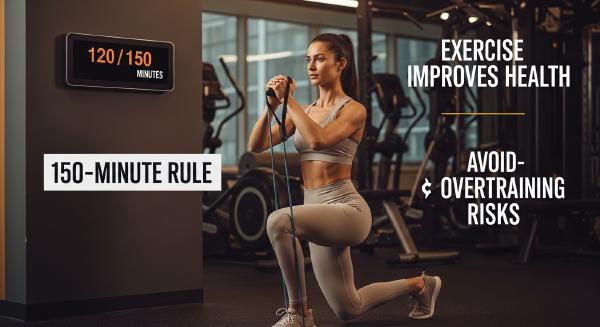
Public health recommendations commonly encourage adults to accumulate at least 150 minutes of moderate-intensity aerobic activity or 75 minutes of vigorous activity each week, alongside muscle-strengthening activities on two or more days.
Guidelines generally recognize physical activity across different settings, including transportation, household tasks, work, and recreation.
However, this does not mean that every type of occupational activity provides the same physiological benefits as structured exercise.
For someone who spends most of the day sitting at a desk, walking during daily activities can be an important way to reduce sedentary time.
For someone who already performs physically demanding work, the challenge may be different: the body receives plenty of physical stress but may lack the specific stimulus, movement variety, and recovery needed to improve fitness.
This distinction helps explain why a manual laborer can feel exhausted every evening without necessarily developing the cardiovascular fitness or balanced strength associated with regular exercise.
The practical takeaway is not to ignore occupational activity. It is to evaluate it separately from purposeful exercise and recovery.
🛌 Step 1: Prioritize Recovery Before Adding More Training #
After a demanding workday, the first priority should be restoring the resources your body needs to recover.
Immediately starting a strenuous workout when you are already exhausted may increase accumulated fatigue rather than produce a useful training adaptation.
A better approach begins with three fundamentals: nutrition, hydration, and sleep.
Eat a Balanced Meal After Work #
A recovery meal should provide both protein and carbohydrates.
Protein supplies amino acids needed for muscle repair and maintenance. Carbohydrates help replenish glycogen, the stored energy used during physical activity.
Practical options include:
- Chicken, fish, tofu, or eggs for protein
- Brown rice, potatoes, oats, or whole-grain bread for carbohydrates
- Vegetables and fruit for fiber and micronutrients
- Nuts, seeds, olive oil, or other unsaturated-fat sources
There is no need to follow a complicated recovery diet. Consistently eating enough to meet your energy and nutritional needs is more important than relying on a particular food or supplement.
Replace Fluids Lost Through Sweating #
Workers exposed to heat or performing strenuous activity may lose substantial amounts of fluid through sweat.
Drink water regularly and adjust fluid intake according to temperature, workload, and individual needs.
For prolonged work in hot conditions with heavy sweating, an electrolyte-containing beverage or appropriate food may help replace sodium and other electrolytes.
People with kidney, heart, or other conditions affecting fluid balance should follow individualized medical advice rather than adopting a generic hydration target.
Treat Sleep as Part of Your Recovery Program #
Sleep is essential for normal tissue repair, metabolic regulation, and cardiovascular health.
Most adults should aim for approximately seven to nine hours of sleep per night, although individual needs vary.
A practical routine includes:
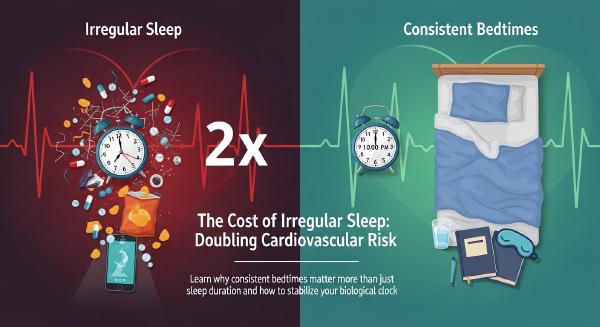
- Maintaining a consistent bedtime and wake-up time
- Keeping the bedroom dark, quiet, and comfortable
- Avoiding excessive caffeine late in the day
- Limiting activities that interfere with winding down
- Allowing enough time for sleep after particularly demanding shifts
If you are consistently waking up exhausted despite sufficient time in bed, consider whether workload, sleep quality, or an underlying health issue needs attention.
Use Light Active Recovery When Appropriate #
On especially tiring days, a short period of gentle movement may be more useful than another demanding workout.
Consider:
- A 10-to-20-minute comfortable walk
- Gentle hip and thoracic-spine mobility
- Light shoulder and upper-back movements
- Easy stretching of muscles that feel particularly tight
The purpose is to move comfortably, not to force additional training.
If you experience unusual pain, dizziness, chest discomfort, or severe shortness of breath, stop exercising and seek appropriate medical evaluation.
🏋️ Step 2: Add Strength and Mobility Training to Balance Repetitive Work #
Occupational physical activity is often repetitive and task-specific.
A worker who spends the day lifting objects may develop considerable familiarity with that movement while neglecting other muscle groups and movement patterns.
A carefully designed strength program can help address these gaps.
For many workers, two or three short sessions per week of approximately 20 to 40 minutes can provide a useful starting point. The exact frequency and workload should depend on job demands, current fitness, recovery, and injury history.
Prioritize:
- Core stability
- Glute and hamstring strength
- Upper-back and scapular stability
- Hip mobility
- Controlled rotational movement
- Balanced pushing and pulling strength
Resistance bands, dumbbells, and bodyweight exercises can all be effective. A gym membership is not essential.
Scapular Stability: Support the Shoulders and Upper Back #
Repeated bending, lifting, and reaching can place substantial demands on the shoulder complex.
These exercises help train muscles responsible for controlling the shoulder blades and supporting shoulder movement.
1. Scapular Protraction and Retraction
Stand with your feet shoulder-width apart, arms extended in front of you, and elbows slightly bent.
Push your shoulder blades forward, allowing them to move apart. Then pull them backward, gently squeezing them together.
Keep your neck relaxed and avoid shrugging your shoulders.
- Repetitions: 15
- Sets: 2–3
2. Standing W Raises
Stand upright with your elbows bent and positioned near your sides, forming a W shape with your arms.
Gently draw your shoulder blades down and backward. Hold briefly, then relax.
Avoid arching your lower back or forcing your shoulders into an uncomfortable position.
- Repetitions: 15–20
- Sets: 2
3. Resistance Band Face Pulls
Anchor a resistance band at approximately face height.
Hold the band with both hands and pull toward your face, allowing your elbows to move outward. Focus on controlled movement and upper-back engagement.
Return slowly to the starting position.
- Repetitions: 12–15
- Sets: 2–3
4. Shoulder External Rotation
Anchor a resistance band near elbow height.
Stand sideways to the anchor, keep your elbow bent approximately 90 degrees, and hold your upper arm close to your body.
Rotate your forearm outward against the resistance, then slowly return.
Keep your elbow in place and avoid rotating your torso.
- Repetitions: 10–12 per side
- Sets: 2–3
Posterior Chain and Core: Build Support for the Lower Back #
The posterior chain includes the glutes, hamstrings, and muscles along the back of the body.
These muscles contribute to hip extension, lifting mechanics, and overall movement control.
1. Resistance Band Hip Hinge
Stand on the middle of a resistance band and hold its ends.
Push your hips backward while maintaining a neutral spine and slightly bent knees. Then drive your hips forward to return to standing.
Think about moving through the hips rather than rounding your lower back.
- Repetitions: 10–12
- Sets: 2–3
2. Glute Bridge
Lie on your back with your knees bent and feet flat on the floor.
Tighten your abdominal muscles and squeeze your glutes to lift your hips until your torso and thighs form a relatively straight line.
Pause briefly, then lower with control.
- Repetitions: 12–15
- Sets: 2–3
3. Bird Dog
Begin on your hands and knees.
Extend one arm forward while extending the opposite leg backward. Keep your torso stable and avoid rotating your hips.
Pause for two to three seconds, return to the starting position, and switch sides.
- Repetitions: 8–10 per side
- Sets: 2–3
4. Clamshells
Lie on your side with your knees bent and feet together.
Keeping your pelvis stable, lift your upper knee while maintaining contact between your feet. Lower slowly.
A light resistance band placed above the knees can increase the challenge.
- Repetitions: 10–15 per side
- Sets: 2–3
Lower-Body Strength and Hip Mobility #
Prolonged standing, walking, and carrying loads can fatigue the legs and hips.
The following movements help develop strength and maintain comfortable movement through the lower body.
1. Resistance Band Squats
Stand on a resistance band and hold its ends near your shoulders.
Bend your hips and knees to lower into a controlled squat. Keep your feet stable and knees tracking in the same general direction as your toes.
Stand up smoothly without locking your knees forcefully.
- Repetitions: 10–12
- Sets: 2–3
2. Lateral Band Walks
Place a loop resistance band above your knees or around your ankles.
Bend your knees slightly and take controlled steps sideways while maintaining tension in the band.
Avoid allowing your knees to collapse inward.
- Repetitions: 8–10 steps in each direction
- Sets: 2–3
3. Half-Kneeling Hip Flexor Stretch
Kneel with one foot in front and the opposite knee resting on the floor.
Gently shift your pelvis forward while keeping your torso upright. You should feel a stretch at the front of the hip on the kneeling side.
Avoid arching your lower back.
- Duration: 20–30 seconds per side
- Sets: 2
Start with a manageable resistance level and prioritize movement quality over the number of repetitions. If a movement causes sharp pain or aggravates an existing injury, stop and seek guidance from a qualified healthcare or rehabilitation professional.
🚴 Step 3: Add Cardio to Improve Cardiovascular Fitness #
A physically demanding job does not necessarily mean that you have developed strong cardiorespiratory fitness.
If your work mainly involves prolonged standing, lifting, or repetitive low-to-moderate intensity movement, structured aerobic exercise may provide a different and useful training stimulus.
The objective is to improve cardiovascular capacity—not to accumulate more hours of exhaustion.
Choose Moderate Aerobic Exercise #
Suitable options include:
- Brisk walking
- Cycling
- Swimming
- Elliptical training
- Low-impact aerobic exercise
For most adults, public health guidelines recommend at least 150 minutes of moderate-intensity aerobic activity per week, or an equivalent amount of vigorous activity.
However, people performing heavy physical labor should build toward an appropriate exercise volume gradually rather than treating the guideline as an obligation to add a fixed amount of training on top of an exhausting work schedule.
Use the Talk Test to Monitor Intensity #
During moderate-intensity exercise, you should generally be able to talk but find singing difficult.
This is a practical way to estimate effort without relying entirely on a heart-rate monitor.
A commonly used rough estimate of maximum heart rate is:
\[ \text{Estimated Maximum Heart Rate} \approx 220 - \text{Age} \]This formula is only a population-level estimate. Actual maximum heart rate varies substantially between individuals, so it should not be treated as a precise training target.
People with cardiovascular disease, unexplained exercise symptoms, or medical restrictions should consult a healthcare professional before beginning vigorous training.
Try a Gradual Walk-Jog Routine #
If you are already accustomed to aerobic activity and have recovered adequately from work, a simple interval routine can be a starting point.
For example:
- Walk briskly for three minutes.
- Jog comfortably for two minutes.
- Repeat the sequence four to six times.
- Finish with several minutes of easy walking.
The total session will generally take around 20 to 30 minutes, depending on the number of intervals and warm-up.
Beginners can replace jogging with faster walking or use stationary cycling instead.
There is no need to perform intervals after every work shift. Scheduling more demanding cardio on a rest day may be a better option for workers with high occupational workloads.
Adjust Training to Your Workload #
A useful rule is to match exercise intensity to how well you have recovered.
- After a manageable shift: Consider a short, moderate workout if you feel rested.
- After a particularly demanding shift: Choose gentle walking or mobility work.
- On a rest day: Schedule a more structured aerobic session if your body feels recovered.
- When fatigue accumulates: Reduce training volume or take additional recovery time.
Consistency is more valuable than forcing a workout when your body is not ready.
🧠 Step 4: Protect Mental Health and Build Recovery Into Daily Life #
Physical workload is only one part of occupational stress.
Workers may also face unpredictable schedules, time pressure, difficult working conditions, limited autonomy, and concerns about job security.
These factors can make it harder to relax after work and maintain healthy routines.
A deliberate transition from work to personal time can help.
Consider:
- Taking a comfortable walk without tracking speed or distance
- Listening to music while performing gentle mobility exercises
- Spending time with friends or family
- Practicing slow breathing or another relaxation technique
- Maintaining regular sleep and meal schedules
- Setting boundaries around work-related communication when possible
These activities are not substitutes for medical treatment or adequate rest, but they can support psychological recovery and make healthy habits easier to sustain.
Workplace Changes Matter Too #
Personal exercise cannot fully compensate for unsafe or excessively demanding working conditions.
Employers and workers should also consider practical measures such as:
- Providing adequate rest breaks
- Rotating repetitive tasks where appropriate
- Using mechanical lifting assistance
- Reducing unnecessary heavy-load exposure
- Improving workplace temperature and ventilation
- Providing appropriate protective equipment
- Allowing workers to report pain and fatigue without penalty
For people whose jobs involve sustained physical demands, improving working conditions may be just as important as improving exercise habits outside work.
📊 Why Leisure-Time Exercise Still Matters for Manual Workers #
One of the most important findings from the research is that occupational physical activity does not appear to eliminate the benefits of leisure-time exercise.
In the large pooled analysis, men with high occupational physical activity who also reported high levels of leisure-time exercise had approximately 16% lower all-cause mortality risk than men with similarly high occupational activity but sedentary leisure habits.
This is an observational association, not proof that adding a specific workout will reduce an individual’s mortality risk by exactly 16%.
Nevertheless, it reinforces an important point: being physically active at work does not make purposeful exercise unnecessary.
For manual workers, leisure-time exercise may provide opportunities to:
- Improve cardiorespiratory fitness
- Develop strength in underused muscle groups
- Maintain joint mobility
- Improve movement coordination
- Reduce sedentary behavior outside work
- Support long-term physical function
The best program is one that complements occupational demands rather than simply repeating them.
For more practical guidance, see VXB US’s articles on how to use the 150-minute exercise guideline safely and heart-healthy nutrition and exercise.
⚠️ Common Mistakes to Avoid When Exercising After Physical Work #
Even well-intentioned exercise plans can become counterproductive when they ignore the demands of a person’s job.
Watch out for these common mistakes.
Mistake 1: Treating Exhaustion as Proof of a Good Workout #
Feeling exhausted does not necessarily mean you have improved your fitness.
A demanding shift may produce substantial fatigue without providing balanced muscular development or a structured cardiovascular training stimulus.
Evaluate exercise by its purpose and long-term benefits, not simply by how tired you feel afterward.
Mistake 2: Adding High-Intensity Training Every Evening #
High-intensity exercise can be useful, but it is not appropriate for every day or every worker.
If your job already involves heavy lifting, prolonged standing, and limited recovery, additional intense sessions may increase fatigue and injury risk.
Use easier sessions and rest days strategically.
Mistake 3: Ignoring Pain and Persistent Fatigue #
Ordinary muscle soreness can occur after demanding activity, but persistent or worsening pain deserves attention.
Do not assume that chronic back pain, joint pain, numbness, or unusual weakness is simply part of working hard.
Seek professional evaluation when symptoms persist or interfere with normal activities.
Mistake 4: Focusing Only on Cardio #
Walking and cycling can support cardiovascular health, but they do not replace resistance training.
A balanced program should also address strength, mobility, and movement control.
Mistake 5: Forgetting That Recovery Is Individual #
Two workers performing similar jobs may have very different recovery needs because of age, fitness, sleep quality, health conditions, workload, and previous injuries.
A training plan should reflect those differences rather than follow a rigid schedule.
🧭 The Bottom Line: Physical Labor Is Not a Substitute for Recovery and Exercise #
The physical activity health paradox challenges a common assumption: that more physical movement automatically means better health.
Research involving nearly 590,000 workers found that high occupational physical activity was not associated with the same protective effects as leisure-time exercise. In men, high occupational activity was associated with a modest increase in all-cause mortality risk, while women showed little evidence of a protective effect. Leisure-time physical activity, in contrast, was consistently associated with lower mortality risk.
These findings do not mean that physical labor is inherently dangerous or that workers should avoid movement. Physical activity remains important for health, and the effects of occupational work depend on many factors.
The real issue is that prolonged, repetitive physical demands with limited recovery are not equivalent to a balanced exercise program.
For people who earn a living through manual labor, a sensible health strategy has four parts:
- Recover properly: Eat enough, stay appropriately hydrated, and protect sleep.
- Build balanced strength: Use manageable resistance training to develop muscles and movement patterns that work may neglect.
- Improve cardiovascular fitness: Add appropriate aerobic exercise when recovery and workload allow.
- Reduce cumulative strain: Pay attention to pain, fatigue, rest breaks, and workplace conditions.
You do not need to turn every evening into another training session. Some days, the healthiest decision is to rest. On others, a short walk, a few mobility exercises, or a carefully planned strength session may provide exactly what your body needs.
The goal is not to work harder after working hard all day. It is to make sure that the physical effort you expend throughout your life is balanced by the recovery and purposeful training that help keep your body healthy.