Fatty Liver Diet: 3 Foods and Drinks to Cut Back On
Seeing terms such as “mild fatty liver” or “moderate fatty liver” on a health examination report can be unsettling. Many people immediately wonder whether they need medication, a strict diet, or a complete change in lifestyle.
The good news is that diet and lifestyle changes can significantly improve fatty liver in many people, particularly when the condition is related to metabolic health.
However, fatty liver is not simply caused by eating too much fat. It is a complex condition influenced by insulin resistance, excess energy intake, body weight, physical activity, genetics, alcohol consumption, and other health factors.
Three dietary areas deserve particular attention: sugary beverages, refined carbohydrates, and foods containing unhealthy fats. Reducing these foods while choosing more nutritious alternatives can help support liver health.
The modern medical term for many cases of fatty liver associated with metabolic risk factors is metabolic dysfunction-associated steatotic liver disease (MASLD), formerly called nonalcoholic fatty liver disease (NAFLD).
🧬 How Does Fatty Liver Develop? #
The liver plays a central role in processing nutrients, regulating blood glucose, and managing fat metabolism.
After we eat, carbohydrates, fats, and proteins are broken down and processed. The liver can convert excess carbohydrate into fatty acids through a process called de novo lipogenesis. It also receives fatty acids released from fat tissue and processes dietary fats delivered through the bloodstream.
Under normal conditions, the liver stores relatively little fat. When fat production and delivery exceed the liver’s ability to use or export it, triglycerides accumulate inside liver cells.
Several factors can contribute to this imbalance:
- Insulin resistance: The liver may continue producing glucose and fat even when the body has sufficient energy.
- Excess calorie intake: Regularly consuming more energy than the body uses can promote fat accumulation.
- High intake of added sugars: Sugar-sweetened beverages and other concentrated sources of sugar can contribute to excessive energy intake and increased liver fat.
- Physical inactivity: Low activity levels can worsen insulin resistance and metabolic health.
- Excess body fat: Particularly abdominal and visceral fat, which can increase the delivery of fatty acids to the liver.
- Alcohol consumption: Alcohol can contribute to liver fat accumulation and may worsen existing liver disease.
Fatty liver can occur in people who are not visibly overweight, too. Genetics, metabolic health, medications, and other conditions can influence individual risk.
The goal is therefore not simply to eliminate dietary fat. It is to improve the overall metabolic environment that allows fat to accumulate in the liver.
🥤 1. Cut Back on Sugary Drinks #
Sugar-sweetened beverages are among the most important dietary targets for people concerned about fatty liver.
Common examples include:
- Regular soft drinks and cola
- Sweetened fruit drinks
- Energy drinks
- Sweetened bottled tea
- Sweetened coffee beverages
- Sports drinks with added sugar
- Sweetened milk-based beverages
These drinks can deliver substantial amounts of sugar without creating the same feeling of fullness as solid food. Frequent consumption can therefore make it easier to consume more calories than the body needs.
Fructose, one of the sugars commonly found in sweetened beverages, is largely processed by the liver. When consumed in excessive amounts, particularly alongside excess calorie intake, it can contribute to increased fat production in the liver.
What Does Recent Research Say? #
A study published in Nature Food on December 1, 2025, examined the relationship between sweetened beverage consumption and liver health.
Researchers analyzed data from 173,840 UK Biobank participants aged 40–69 years, with a median follow-up of 8.9 years. They investigated both sugar-sweetened and artificially sweetened beverages and their associations with liver-related outcomes.
The researchers found that higher consumption of both beverage categories was associated with increased risks of metabolic dysfunction-associated steatotic liver disease, severe liver disease, and chronic liver disease mortality.
The study also identified protein patterns in blood associated with beverage consumption and adverse liver outcomes.
These findings are important, but they need careful interpretation:
- The study was observational, so it cannot prove that sweetened beverages directly caused the reported outcomes.
- Associations do not establish that every individual who drinks these beverages will develop liver disease.
- The findings about artificially sweetened beverages do not prove that approved low-calorie sweeteners directly damage the liver.
- More research is needed to understand the biological mechanisms and determine whether replacing these drinks improves long-term liver outcomes.
The practical message is straightforward: water and unsweetened beverages are sensible everyday choices, while sugary drinks are best limited.
Better Drinks to Choose #
Consider replacing sweetened beverages with:
- Plain water or sparkling water
- Unsweetened green or black tea
- Unsweetened coffee
- Water infused with lemon, cucumber, or mint
- Unsweetened herbal tea
Whole fruit is generally a better choice than fruit juice because it retains its fiber and is usually more filling.
For more information about how different forms of sugar affect metabolic health, see Fruit, Fructose, and Metabolic Health: What the Evidence Says.
🍞 2. Reduce Refined Carbohydrates #
Refined carbohydrates are foods that have undergone processing that removes much of their natural fiber and other components.
Common examples include:
- White bread
- White rice
- Refined wheat noodles
- White steamed buns (mantou)
- Many packaged crackers
- Sweetened breakfast cereals
- Cakes, pastries, and other refined-flour desserts
These foods are not inherently poisonous or forbidden. The concern is that diets dominated by refined carbohydrates can make it easier to consume excess energy while providing less fiber and satiety than minimally processed alternatives.
How Can Refined Carbohydrates Affect the Liver? #
Refined carbohydrates are often digested relatively quickly, particularly when eaten in large portions or without much fiber, protein, or fat.
This can produce a rapid rise in blood glucose. The body responds by releasing insulin to help regulate blood sugar.
When energy and carbohydrate intake are consistently excessive, the liver can convert some of the surplus carbohydrate into fat through de novo lipogenesis.
In people with insulin resistance, this process may become more pronounced, contributing to liver fat accumulation.
However, it is inaccurate to say that every serving of white rice or noodles automatically becomes liver fat. The overall diet, portion sizes, energy balance, insulin sensitivity, and physical activity all matter.
Better Alternatives to Refined Grains #
You do not need to eliminate carbohydrates to improve fatty liver. A more sustainable approach is to replace some refined grains with higher-fiber options.
Consider:
- Oats: Provide soluble fiber, including beta-glucan.
- Barley: Contains fiber that supports metabolic and digestive health.
- Brown rice: Retains more of the grain’s natural fiber than white rice.
- Buckwheat: Provides fiber and plant-based nutrients.
- Whole-wheat products: Often contain more fiber than refined-flour alternatives.
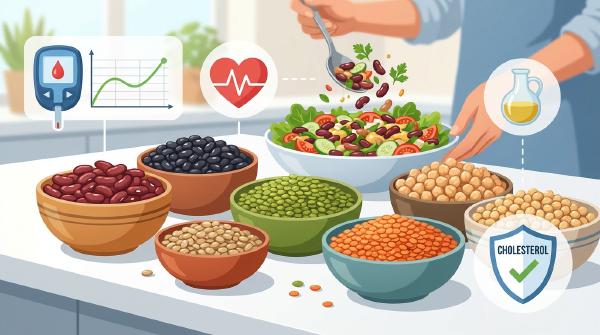
- Legumes: Beans, lentils, chickpeas, and peas provide fiber and plant protein.
What About Resistant Starch? #
Resistant starch is a type of carbohydrate that resists digestion in the small intestine and is fermented by gut microorganisms in the large intestine.
It is found naturally in foods such as:
- Beans and lentils
- Chickpeas and peas
- Some whole grains
- Green bananas
- Potatoes
- Certain cooked-and-cooled rice and potato dishes
Resistant starch can support the production of short-chain fatty acids, including butyrate, which contributes to normal intestinal function.
Cooking and then cooling certain starchy foods can increase their resistant starch content through a process called retrogradation. Reheating does not necessarily eliminate all of it.
However, resistant starch is not calorie-free and does not automatically prevent weight gain or reverse fatty liver. It is simply one useful component of a fiber-rich eating pattern.
Vegetarians Should Also Watch Refined Carbohydrates #
A vegetarian diet can be very healthy, but avoiding meat does not automatically guarantee good metabolic health.
Some people replace meat with large portions of white rice, refined noodles, fried foods, or processed vegetarian products.
A more balanced vegetarian diet should include:
- Beans, lentils, and soy products
- Tofu and other minimally processed protein sources
- Whole grains
- Vegetables and whole fruits
- Nuts and seeds
The objective is not to avoid carbohydrates altogether. It is to choose better-quality carbohydrates and balance them with protein, fiber, and appropriate portions.
🍟 3. Limit Unhealthy Fats and Highly Processed Foods #
Dietary fat is essential for normal health. The problem is not fat itself, but the types and amounts of fat consumed.
A diet high in saturated fat, industrial trans fat, and highly processed foods can contribute to poor metabolic health and increased liver fat.
Understand the Difference Between Trans Fats and Other Fats #
Trans fats are a type of unsaturated fat with a particular chemical structure. Industrially produced trans fats were historically common in partially hydrogenated oils used in some commercial baked goods, shortenings, and fried products.
They are associated with increased cardiovascular risk and should be avoided as much as possible.
Saturated fats are a different category. They are found in foods such as fatty meats, butter, lard, and some tropical oils. Excessive intake can adversely affect blood cholesterol and may contribute to liver fat accumulation when part of an energy-dense dietary pattern.
It is therefore important not to treat all dietary fats as interchangeable.
Foods Worth Limiting #
Pay attention to:
- Deep-fried fast food
- Commercial pastries and packaged cakes
- Foods made with partially hydrogenated oils
- Shortening and some types of margarine
- Fatty processed meats
- Foods high in saturated fat
- Highly processed snacks
Some products, including certain instant coffee mixes and non-dairy creamers, may contain substantial amounts of added sugar or saturated fat. Check the ingredient list and nutrition label rather than assuming every product in a category has the same composition.
Industrial trans fats have been reduced or eliminated in many markets, but checking labels remains useful.
Choose Healthier Fat Sources #
Instead of eliminating fat, replace less healthy sources with unsaturated fats.
Good options include:
- Olive oil
- Canola oil
- Avocados
- Walnuts and almonds
- Flaxseeds and chia seeds
- Salmon and sardines
- Other fish rich in omega-3 fatty acids
The key is substitution. Replacing butter or lard with a modest amount of olive oil is generally more useful than simply adding extra oil to an already high-calorie meal.
🍷 Alcohol: An Important Consideration for Fatty Liver #
Although the three dietary categories above deserve attention, alcohol also matters.
Alcohol can contribute to liver fat accumulation and liver injury. Its effects may combine with metabolic risk factors, increasing the likelihood of disease progression.
For people with fatty liver, it is sensible to discuss alcohol intake with a healthcare professional rather than assuming that moderate drinking is harmless.
People with advanced liver fibrosis or cirrhosis should completely avoid alcohol. Those with other stages of liver disease may also be advised to abstain, depending on their condition and medical history.
If you have been diagnosed with fatty liver, ask your clinician what level of alcohol avoidance is appropriate for you.
🌱 Three Daily Habits That Support Liver Health #
Dietary changes are important, but they work best alongside regular physical activity, adequate sleep, and sustainable weight management.
1. Maintain a Healthy Weight Gradually #
For people with MASLD who have overweight or obesity, gradual and sustained weight loss can reduce liver fat and improve metabolic health.
Clinical guidelines indicate that:
- A sustained weight reduction of at least 5% can help reduce liver fat.
- A reduction of approximately 7–10% may improve liver inflammation.
- A reduction of 10% or more may improve liver fibrosis in some people.
These are general clinical targets, not guaranteed outcomes. Individual results vary, and people with normal body weight may also develop fatty liver.
Avoid crash diets, prolonged fasting without medical supervision, or extreme calorie restriction. Rapid weight loss and inadequate nutrition can be harmful, particularly in people with advanced liver disease.
2. Exercise Regularly and Get Adequate Sleep #
Physical activity can reduce liver fat and improve insulin sensitivity, even when substantial weight loss does not occur.
A practical goal for many adults is to work toward:
- At least 150 minutes of moderate-intensity aerobic activity per week.
- Two sessions of strength training per week, if appropriate.
- Less prolonged sitting throughout the day.
Walking, cycling, swimming, and resistance exercises are all possible options. Choose activities that suit your fitness level and medical condition.
Sleep also deserves attention. Aim for approximately 7–9 hours of good-quality sleep per night and maintain a reasonably consistent sleep schedule.
There is no established rule that the liver only repairs itself between 23:00 and 03:00. Liver metabolism continues throughout the day and night. The more relevant concern is that chronic sleep deprivation, irregular schedules, and circadian disruption can contribute to metabolic dysfunction.
If you snore heavily, experience daytime sleepiness, or suspect sleep apnea, discuss evaluation with your healthcare professional.
3. Build Balanced Meals Instead of Following Rigid Eating Rules #
Some people recommend always eating soup first, vegetables second, protein third, and carbohydrates last.
Eating vegetables and protein before carbohydrate-rich foods may reduce post-meal glucose spikes in some circumstances. However, this meal sequence has not been established as a treatment that reverses fatty liver or reduces liver fibrosis.
A more useful approach is to build balanced meals consistently.
One simple plate model is:
- Half the plate: Non-starchy vegetables.
- One-quarter: Protein such as fish, tofu, beans, eggs, or poultry.
- One-quarter: Whole grains or other minimally processed carbohydrates.
- A modest amount: Unsaturated fat, such as olive oil or nuts.
This structure can help control portions while providing fiber, protein, and essential nutrients.
🩺 When Should You Seek Medical Evaluation? #
A fatty liver finding on an ultrasound or health examination should not be ignored, but it also does not automatically mean that serious liver damage has occurred.
Fat accumulation can range from relatively simple steatosis to metabolic dysfunction-associated steatohepatitis (MASH), which involves liver inflammation and can lead to fibrosis.
A healthcare professional may recommend:
- Liver enzyme tests, including ALT and AST.
- Assessment of blood glucose and cholesterol.
- Evaluation of blood pressure and other metabolic risk factors.
- Fibrosis risk assessment using tools such as FIB-4.
- Additional imaging or elastography when indicated.
Importantly, normal liver enzyme results do not always rule out significant fibrosis. The appropriate assessment depends on individual risk factors and medical history.
People with diabetes, obesity, persistent abnormal liver enzymes, or a family history of advanced liver disease may need closer evaluation.
🥗 A Simple Liver-Friendly Daily Eating Pattern #
Here is an example of how the principles above can fit into ordinary meals.
| Meal | Practical choices |
|---|---|
| Breakfast | Oatmeal, plain yogurt, and a serving of whole fruit |
| Lunch | Brown rice, steamed fish or tofu, and mixed vegetables |
| Snack | A small handful of nuts or an apple |
| Dinner | Lentils or lean protein, vegetables, and a moderate portion of whole grains |
| Drinks | Water, unsweetened tea, or unsweetened coffee |
This is an example, not a strict prescription. Portion sizes and nutritional requirements should be adjusted for body weight, activity level, diabetes, kidney disease, and other medical conditions.
For more practical food choices, see 8 Affordable Foods for Liver Health: Evidence-Based Guide.
❤️ The Bottom Line: Consistency Matters More Than a Liver Detox #
Fatty liver is a metabolic condition, not simply the result of eating greasy food. Improving it requires attention to the overall pattern of eating, physical activity, body weight, alcohol intake, and other health factors.
Three useful dietary changes are:
- Reduce sugary beverages: Choose water, unsweetened tea, or unsweetened coffee more often.
- Replace some refined carbohydrates: Choose oats, barley, legumes, and other fiber-rich foods.
- Limit unhealthy fats and highly processed foods: Replace saturated and industrial trans fats with healthier unsaturated fat sources.
Combine these changes with regular movement, adequate sleep, and appropriate medical follow-up.
There is no single food that can eliminate fatty liver overnight, and no detox drink can replace evidence-based care. But sustainable daily habits can make a meaningful difference.
Your liver benefits most from a healthier overall lifestyle—not from extreme restrictions or miracle cures.